Transform Your Home With Professional Architecture Services
Enhancing a home through professional architecture services involves more than just visual appeal. It demands a deep understanding of practical design principles and regional construction regulations. Collaborating with an seasoned architectural professional can address common challenges while enhancing property value. The process is systematic and comprehensive, guaranteeing that every detail aligns with the homeowner's vision. Yet, many homeowners find it difficult to navigate this journey effectively. What steps can they take to establish a successful partnership?
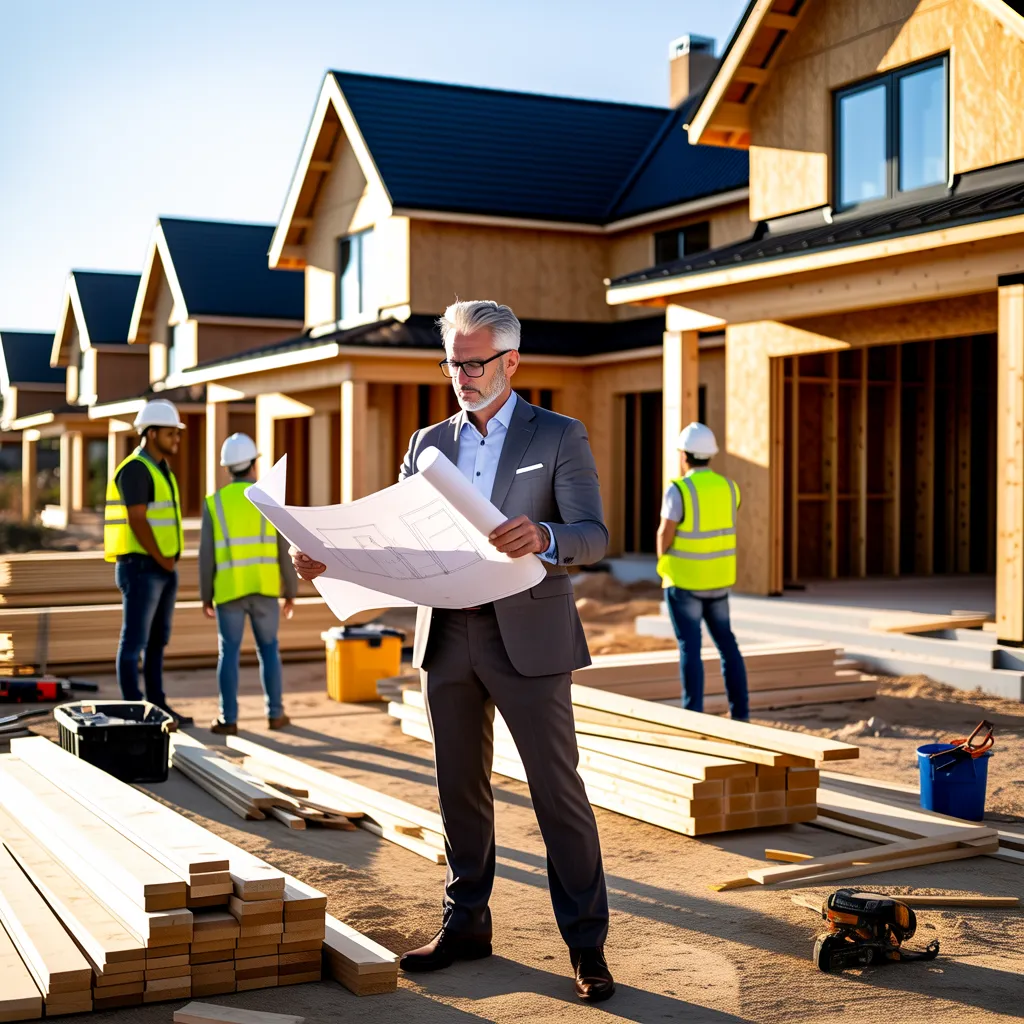
Common Home Design Challenges and How Architects Help
What causes home design to be so demanding for most homeowners? The difficulty of balancing personal aesthetic choices with functional requirements often exhausts them. Homeowners commonly encounter issues with spatial constraints, budget limitations, and legal standards, complicating the process more challenging. Additionally, many lack the specialized expertise needed to manage building considerations and building codes.
Architects constitute an vital role in easing these issues. Their background allows them to address the nuances of design, confirming that a homeowner's goal agrees with concrete circumstances. Architects can present novel approaches to improve space while respecting health requirements. They also participate in building integrated designs that showcase the homeowner's taste. By imparting perspectives into substances and construction techniques, architects support accelerate the decision phase. In the end, their competence translates a apparently overwhelming project into a joint experience, nurturing a equilibrated balance between originality and applicability in residential design.
Advantages of Collaborating With a Professional Architect
Partnering with a expert designer boosts the home design experience by blending specialized understanding with the client's perspective. Architects bring a extensive background in design practices, building codes, and environmental practices, making certain that the assignment not only achieves visual aspirations but also complies with regulations. Their capacity to imagine and explain complex ideas supports adapting conceptual frameworks into realized blueprints.
Additionally, architects can provide innovative approaches to design challenges, enhancing usability and arrangement. They also manage the complexities of the construction phase, coordinating with contractors and suppliers to ensure schedules and finances are followed. This expert management reduces potential errors and alleviates the tension related to home renovation or construction. In the end, engaging with an architect results in a unified, well-designed space that captures the homeowner's character while increasing overall property worth.
What Form the Required Components in the Architectural Process?
Why is understanding the building design process important from initial idea to end? The experience starts with an first meeting, where the designer and client discuss objectives, requirements, and budget. This stage is essential for building a solid direction. Afterward, the architect conducts location review, evaluating variables like terrain, weather characteristics, and zoning requirements.
After this, the design stage gets underway. In this phase, sketches and digital models are produced, permitting the client to imagine the project. When the design is approved, the architect develops detailed construction documents, including specifications and drawings.
After obtaining necessary permits, the project moves into the building stage. The architect frequently works with contractors to ensure that the design is implemented correctly. Frequent on-site inspections and assessments get details help maintain standards and compliance to the original vision. Finally, the project concludes in a inspection, confirming that the completed structure meets the client's requirements before the official transfer.
What's the Best Way to Choose the Ideal Architect for Your Home?
Choosing the appropriate professional for a property involves thoughtful reflection and research. Prospective homeowners should commence by defining their particular needs and financial constraints, which will inform their search. Guidance from friends, family, or real estate professionals can provide worthwhile connections. Online galleries and reviews assist in appraising an architect's previous work and client satisfaction.
Next, potential clients should interview multiple candidates to measure their communication style, experience, and strategy for design. It's critical to discuss project parameters and timeline expectations to guarantee alignment. Additionally, checking credentials and checking for relevant licenses and certifications can prevent future complications.
Finally, property owners should trust their gut feelings. The perfect architect should not only have the required skills but also align with the homeowner's goals and values. This synergy fosters a working relationship, ultimately leading to a fruitful collaboration in creating a ideal residence.
Ways to Convey Your Direction Powerfully
Expressing a vision for home design successfully is vital for a solid relationship between residents and architects. To attain this, homeowners should start by explicitly determining their needs and preferences. Assembling a visual guide with visuals, colors, and materials can help communicating aesthetic wants. Additionally, detailing functional needs, such as square footage and arrangement, ensures that the professional understands practical factors.
Home owners should also engage in open dialogue, encouraging inquiries and input to refine their concept. Frequent discussions throughout the design process foster collaboration and transparency. Employing clear expression to express thoughts and worries can avert misunderstandings and help match goals.
Finally, remaining open to the architect's knowledge enables a more dynamic exchange of ideas. By combining personal vision with professional insight, homeowners can facilitate a productive partnership that results in a beautifully designed space showcasing their aspirations.
Approach to Controlling expenses for Architectural Services
When commencing a home design project, creating a budget for architecture services is important to prevent monetary burden later. Homeowners should begin by studying typical fees in their area, which can vary based on the project's complexity and the architect's experience. It is prudent to allocate a percentage of the overall project cost specifically for architectural services, typically ranging from 5% to 15%.
Next, prospective customers should review the breadth of services demanded—whether they require full design and project oversight or simply preliminary consultations. Engaging in candid discussions with prospective architects regarding their cost arrangements can bring clarity on pricing.
Additionally, homeowners should consider potential revisions and unexpected expenses, building a buffer into the budget. By explicitly establishing their financial parameters upfront, clients can ensure they choose an design professional who aligns with their goals while remaining within their financial boundaries.
Frequently Asked Questions
What Selection of Structural Style Can I Select for My Home?
Homeowners can choose from multiple design options, such as modern, traditional, colonial, Mediterranean, and contemporary. Each style offers unique aesthetics and functionality, allowing individuals to express personal taste while considering regional influences and environmental factors.
How Long Does the Design Process Typically Require?
The design process typically takes many months, based on design complexity, design approvals, and regional requirements. Aspects such as client feedback and project timelines can also impact the timeline considerably during the entire process.
Can Architects Offer Guidance With Environmental Design Options?
Architects can indeed help sustainable design alternatives. They integrate environmentally responsible materials, efficient energy systems, and innovative layouts, ensuring projects minimize environmental impact while maximizing functionality and aesthetic appeal, matching with clients' sustainability goals effectively.
What Requirements Do I Need to Look for When Finding an Architect?
When selecting an architect, one should review their training, certification, experience in relevant projects, body of work reflecting their design philosophy, and understanding of local regulations. Communication skills and references from past clients also matter greatly in the choosing process.
How Do Architects Address Zoning and Permit Obstacles?
Architects navigate zoning and permit issues by conducting thorough research on regional requirements, preparing necessary documentation, and communicating to municipal authorities. Their expertise ensures adherence, expediting the permitting timeline for customer developments efficiently.